
Warranties and papers
A lost bill is not a lost warranty
What consumer commissions have accepted when the original bill or the warranty card was gone, and what to keep.
The bill is the paper most homes lose first. It is thermal paper that fades, it lives in a drawer that gets cleared, and nobody thinks about it again until the machine stops working and the service centre asks for it.
A warranty is the maker's promise about the machine. The bill is one way of showing when and where you bought it — an important one, but not the only one. Two consumer-commission orders show what happened when the original paper was gone.
What a shop owes you
The Consumer Protection Act, 2019 lists, among unfair trade practices, "not issuing bill or cash memo or receipt for the goods sold or services rendered".3 So ask for a bill every time. And if you lose the original, the shop that issued it is the first place to ask for a copy.
A duplicate bill was enough
In Salora International Limited vs Arti Gupta, the buyer had a mobile phone with a one-year warranty that gave trouble from the start. The service centre refused to take it because she had only a duplicate bill, issued by the dealer in place of the original she had lost.1
The District Forum in New Delhi ordered the company to take the handset back, refund its price of ₹10,650, and pay ₹6,000 as compensation and ₹1,000 as costs. The company appealed, mainly on the ground that the order had been passed without hearing it. The State Commission in Delhi dismissed the appeal on 20 February 2008.
A lost card and an affidavit
In Samsung India Electronics Limited vs Satyavart Sadani, a television bought from the maker's authorised dealer abroad stopped working within its one-year warranty. The service engineer asked for the international warranty certificate; the buyer had lost it, and the company would not repair the set without it.2
He had the bill, and he filed an affidavit saying the certificate was lost. The District Forum in Raipur ordered the set repaired and ₹10,000 paid as compensation, with ₹3,000 as costs. The Chhattisgarh State Commission dismissed the company's appeal on 26 May 2014, noting that it had not been able to rebut the buyer's account.
Both buyers had lost a paper. Neither had lost everything.
What these two show — and what they do not
They are two orders, from two state commissions, each decided on its own facts. They are not a rule that every service centre or every commission will follow. What they do show is that the question a commission asked was whether the purchase and the fault were shown, not whether one particular piece of paper survived.
Notice, too, what each buyer still had: a duplicate bill from the dealer in one case; the bill and a sworn statement in the other. Neither went in with nothing.
What to keep
- The bill, or a clear photograph of it, on the day it comes home — before the thermal print fades.
- The online order's invoice, which usually stays in your account on the seller's site.
- The payment record — the card or UPI statement shows the date and the amount.
- The warranty card, with the date it was filled in, and the installation slip if there was one.
- Every complaint number and every service visit, with its date.
In HomeButlr
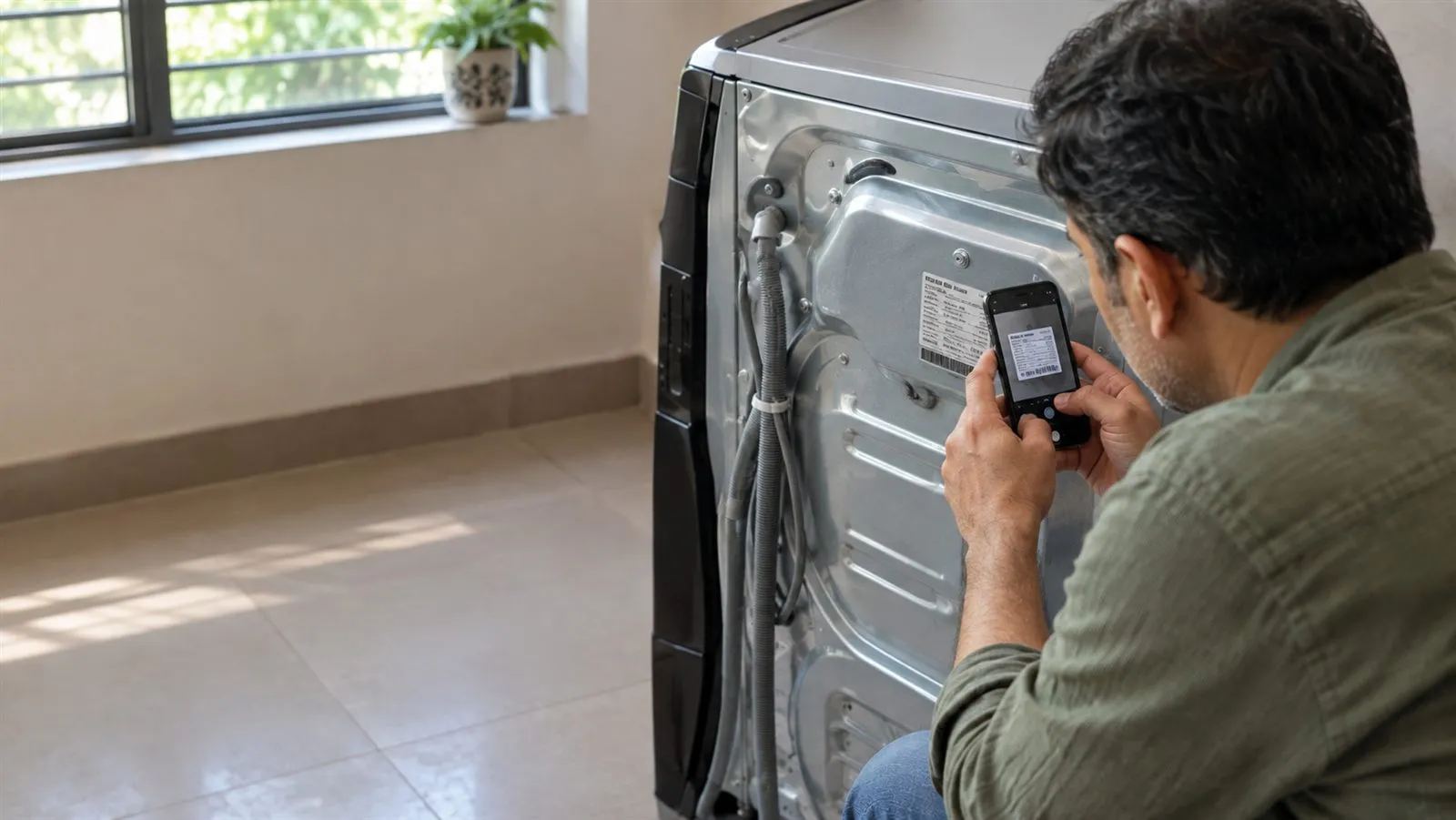
Scan the bill and it is filed on the thing with its warranty. No bill? Scan the product sticker instead, and add the bill later from the thing's page with Add a document.
Brand and product names belong to their owners. HomeButlr is not affiliated with, endorsed by, or an authorised service provider for any brand named here. Warranty terms are quoted from the maker's published India pages on the date shown and may change; the maker's current terms prevail.
This is general information, not legal advice. Court findings and statutory fines are cited as published on the date shown; consult a lawyer or the relevant authority for your case.
Sources
- Salora International Limited vs Arti Gupta, State Commission, Delhi, FA-08/34, 20 February 2008 — Indian Kanoon, read on 19 September 2026. Open the page
- Samsung India Electronics Limited vs Satyavart Sadani, Chhattisgarh State Commission, FA/13/140, 26 May 2014 — Indian Kanoon, read on 19 September 2026. Open the page
- Consumer Protection Act, 2019, Section 2(47)(vii) — Indian Kanoon, read on 19 September 2026. Open the page
We read every fact from its source when we write. If a maker changes its page, tell us and we'll update this note.